
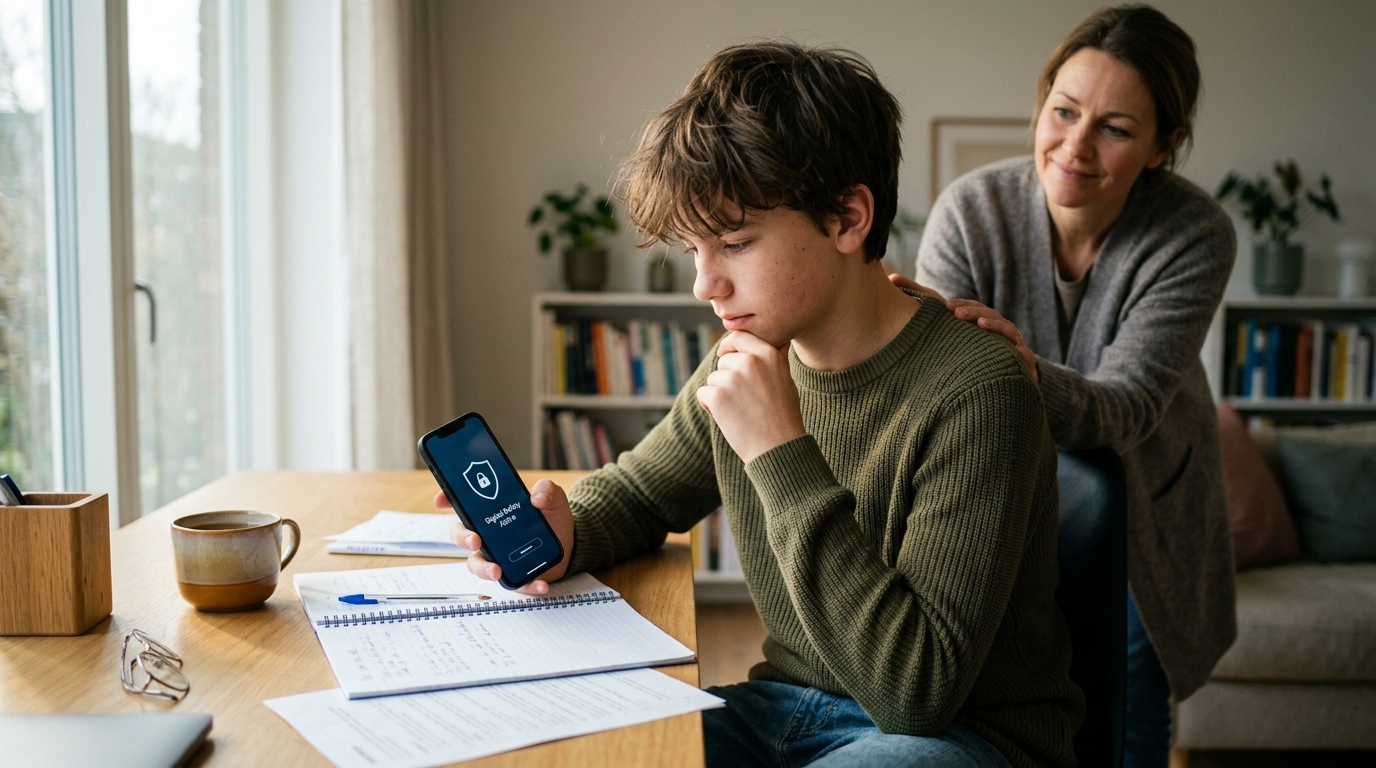
Over the past two years, an unprecedented regulatory tidal wave has swept the globe: Australia enacted historic legislation banning social media for anyone under 16, while France, Spain, the United Kingdom, Denmark, and multiple US states have instituted strict restrictions for youth under 15-16. While millions of parents cheered this government intervention, cyber safety experts and pediatricians issue a sobering warning: "Legislation regulates servers thousands of miles away; your child sits alone with the screen in their bedroom. Relying purely on legal bans creates a dangerous illusion of safety while driving children into darker, unmonitored digital corners."
Australia
Complete prohibition on accounts for under-16s across TikTok, Instagram, Snapchat, X, and Reddit. Big Tech faces fines up to AUD $50 million for failing to implement age verification.
France
Children under 15 require verified parental consent to access social networks. Smartphones are completely banned in all French middle schools (collèges) nationwide.
Spain
Mandatory age gate of 16 for social media accounts. Spain is pioneering biometric and national digital ID verification systems to eliminate self-declaration loopholes.
United States (Florida & Others)
Bars under-14s entirely from algorithmic social media accounts and mandates account deletion. Requires explicit parental consent for 14-15 year olds across expanding US states.
United Kingdom
Following heavy penalties on harmful content algorithms, the British government is formally reviewing an Australia-style complete ban on social media accounts for minors under 16.
Denmark & Nordic Region
The Danish Prime Minister and Nordic leaders are championing a harmonized, binding EU-wide social media ban under 15-16 to counter the adolescent mental health epidemic.
Tech-savvy kids bypass server-side IP and country blocks in seconds using free VPN apps or DNS tweaks.
SmartFamilyEye operates at the OS device level, enforcing app locks regardless of VPN tunnels or network routing.
Kids effortlessly click "I am 18" or use older friends' or parents' birthdates during app account setups.
SmartFamilyEye monitors installed packages and real-time screen activity on the hardware, instantly blocking unapproved apps.
Banned from mainstream apps, teens migrate to unmoderated Discord channels, Telegram groups, and Roblox voice lobbies.
AI Content Filter and Notification Safety actively flag toxic chats, cyberbullying, and predatory contact across all messaging hubs.
Government bans cannot stop a child from hiding under the duvet with a phone at 2:00 AM scrolling endless feeds.
Automated Bedtime Mode physically locks the device display at scheduled hours, eliminating late-night screen abuse.
Assuming "the state has banned it so my child is safe" blinds parents to severe online exploitation and grooming.
Delivers 24/7 parental visibility, live GPS tracking, abnormal transit alerts, and instant one-tap emergency response.
1. The Global Regulatory Wave: From Australia to Europe, Why Governments Are Pulling the Plug
Since late 2024, the global digital policy landscape has witnessed an unprecedented paradigm shift. Australia's historic decision to outlaw social media accounts for anyone under 16 triggered a worldwide regulatory domino effect. The public conversation is no longer about whether social media is unhealthy for young teens; it has shifted to how fast governments can legally bar Big Tech from harvesting adolescent attention.
In the European Union, France established 15 as the "digital age of majority" while completely banning smartphones across all middle schools. Spain passed legislation setting the age threshold at 16, backed by biometric digital ID verification. Denmark, the Netherlands, Italy, and the UK are advancing parallel restrictions, while in the United States, states like Florida have enforced complete bans for kids under 14.
This sudden legislative crackdown stems from a complete breakdown of trust in Big Tech's self-regulation. For over a decade, voluntary parental control dashboards and "teen safety pledges" failed to curb predatory algorithmic architectures optimized strictly for advertising revenue and screen time retention. Lawmakers realized that radical, legally enforceable prohibitions were the only remaining remedy.
- The Australian Precedent: Fines up to AUD $50 million for tech giants failing to enforce robust age verification.
- European Digital Age of Majority: France's age-15 mandate and the rising push for a unified, binding EU-wide ban.
- Big Tech's Accountability Deficit: Governments prioritizing adolescent neurological health over corporate advertising algorithms.
2. The Neurological and Psychological Reality: The Developing Adolescent Brain vs. Algorithmic Traps
What drove lawmakers worldwide to enact such drastic measures is not political posturing, but alarming scientific and clinical evidence. Neurobiological research demonstrates that the human prefrontal cortex—the command center for impulse inhibition, risk assessment, and long-term consequence evaluation—remains biologically immature until age 25. In stark contrast, the brain's reward pathways (the dopaminergic system) peak in sensitivity during puberty.
Social media algorithms were engineered to exploit this precise biological vulnerability. Infinite vertical scrolling, intermittent variable rewards (identical to Las Vegas slot machines), and relentless push notifications stimulate compulsive feedback loops in 12-to-15-year-olds who lack the neurological brakes to disengage. As documented in Jonathan Haidt's groundbreaking research "The Anxious Generation", the global rollout of smartphones and algorithmic feeds between 2010 and 2015 directly triggered a greater than 150% surge in clinical depression, anxiety disorders, body dysmorphia, and self-harm among teenagers.
Beyond psychological strain, young teens face severe online predators, viral self-harm challenges, and financially organized sextortion rings. The global push to ban under-16 social media is an urgent emergency brake to salvage adolescent mental development.
- Immature Prefrontal Cortex: Adolescents lack the neurological impulse control required to withstand predatory algorithms.
- Dopamine Hijacking: Variable reward mechanics trigger chemical compulsions identical to clinical gambling addiction.
- The Global Teen Mental Health Crisis: Independent data from WHO and CDC confirming unprecedented spikes in youth anxiety and despair.
3. The Dangerous Blind Spot: Why Legal Bans Alone Cannot Protect Children
Many well-meaning parents read news headlines and mistakenly conclude: "Finally, the government has banned social media; my child is safe." This assumption is perhaps the single most dangerous mistake a parent can make today. Anyone with an understanding of cybersecurity knows one fundamental truth: no government decree can physically stop a tech-literate, curious teenager with a smartphone.
First, circumventing regional and age-gated server bans is child's play for modern youth. Downloading a free VPN app, switching DNS resolvers, or borrowing a browser profile takes mere seconds and is widely shared across schoolyards. Second, unless governments mandate invasive national biometric facial scans—which triggers enormous privacy backlashes—kids routinely bypass age gates by entering fake birth years or using older siblings' identities.
Even more alarming is the "Dark Migration" phenomenon. When mainstream platforms like TikTok and Instagram become slightly harder to access, kids do not simply stop social networking. They migrate into subterranean, unmoderated ecosystems: private Discord servers, encrypted Telegram channels, and multiplayer voice lobbies in Roblox and Fortnite. These environments lack even basic content moderation, exposing kids to toxic predators and cyberbullies completely away from public oversight. Relying solely on legal bans creates a false sense of security that blinds parents to where their children actually spend their digital lives.
- VPN and DNS Evasion: Schoolchildren easily circumventing geographical and IP-based blocks in under 60 seconds.
- Migration to Unmonitored Channels: Teens shifting into dark Discord servers, Telegram chats, and multiplayer voice lobbies.
- The Complacency Trap: Parents dropping their home digital supervision under the false belief that national laws handle safety.
4. The Essential Role of Active Parental Software: Why Device-Level Protection Is Mandatory
National laws halt at international server borders; your child's real life unfolds inside their bedroom, during their school commute, and on the glass screen in their palm. Real protection cannot be outsourced to politicians; it requires proactive family leadership supported by robust, device-level technology.
SmartFamilyEye works directly on the child's physical Android smartphone or tablet, operating at the operating system kernel level rather than relying on server-side restrictions. This means that whether your child connects to public Wi-Fi, switches to mobile data, or launches a VPN tunnel, unauthorized apps remain locked and toxic web destinations are intercepted instantaneously.
Moreover, SmartFamilyEye extends protection far beyond social media: its AI Web Filter intercepts adult, gambling, and violent domains before pixels render; Notification Safety previews incoming threats, cyberbullying, and predatory overtures on messaging apps; Real-time GPS and Abnormal Transit Detection safeguard their physical journeys; and Scheduled Bedtime Mode physically disables the screen at night to guarantee restorative sleep. Government laws provide a legal backdrop; SmartFamilyEye equips parents with the real shield.
- Device-Level Enforcement: Tamper-proof app blocking that cannot be bypassed by VPN tunnels or network switching.
- Comprehensive AI Threat Protection: Real-time filtering across web searches, social media video streams, and chat notifications.
- Physical & Digital Harmony: Live GPS tracking, unauthorized vehicle transit detection, and instant emergency SOS buttons.
5. A 5-Step Action Blueprint for Families in the Era of Social Media Bans
To translate global legislative momentum into healthy digital habits inside your home without sparking bitter family conflict, follow this practical 5-step framework:
By framing digital boundaries as protective family armor rather than punitive discipline, children learn to respect safety guardrails and build healthy, resilient digital habits for life.
- 1. Open, Empathetic Education: Explain to your child that these global bans are not punishments, but protective measures designed to defend young brains from addictive corporate algorithms.
- 2. Deploy On-Device Boundaries with SmartFamilyEye: Set firm daily app time limits and automatically block age-inappropriate platforms at the device hardware level.
- 3. Establish a Bedroom Screen-Free Zone: Enforce a centralized living room charging station after 9:00 PM to protect adolescent sleep and melatonin cycles.
- 4. Monitor Alternative Chat Hubs: Use Notification Safety to keep an eye on alternative communication platforms (Discord, Roblox, Telegram) where underground cyberbullying festers.
- 5. Foster High-Dopamine Offline Pursuits: Replace algorithmic dopamine with real-world sports, musical instruments, outdoor adventures, and undistracted family time.
❓ Frequently Asked Questions About Under-16 Social Media Bans
Will these under-15/16 social media bans affect my family immediately?
Yes. Australia has already enacted its strict under-16 ban into law; France and Spain are actively implementing their digital majority frameworks, and Florida has outlawed youth accounts. Tech platforms are rapidly re-engineering their global account gating, which directly impacts all international users.
Can teenagers easily bypass these government bans using VPNs?
Yes. Over 70% of digitally active teenagers report using free VPN apps, proxy web browsers, or fake birthdates to circumvent location and age restrictions. Server-level government bans are notoriously porous, which is why device-level parental control software is indispensable.
Where do children migrate when mainstream social media is restricted?
Teens frequently shift their digital attention into alternative hubs, such as unmoderated Discord servers, encrypted Telegram channels, and multiplayer game lobbies (Roblox, Fortnite). These platforms often harbor even greater cyberbullying, predatory grooming, and exposure risks.
How does SmartFamilyEye protect kids where government bans fall short?
SmartFamilyEye operates on the device itself, enforcing app restrictions independently of VPN tunnels or network changes. It uses real-time AI to block toxic web content, previews critical notification threats, tracks real-time GPS locations, and physically locks screens at bedtime.
Will installing parental control software damage trust with my teenager?
When implemented transparently as a family digital seatbelt, it deepens trust. Framing SmartFamilyEye as protection against predatory algorithms and cyber predators—rather than secret surveillance—helps teens understand that parents are acting out of love and care.
How long does it take to set up SmartFamilyEye?
It takes only 2 minutes. The parent dashboard is accessible from any web browser or smartphone, while the child protection engine on Android is secured against unauthorized uninstallation with a master parental PIN code.
Government Bans Aren't Enough: Safeguard Your Child's Digital Life with SmartFamilyEye
Don't leave your child's online safety to legislative decrees alone. Protect their smartphone with on-device AI filtering, real-time GPS tracking, and automated bedtime locks today.