
Child Phone Addiction: Psychological Signs and Harms
Does your child throw an emotional tantrum when their phone is taken away? Discover the neurobiology of phone addiction in children, dopamine loops, and solutions.
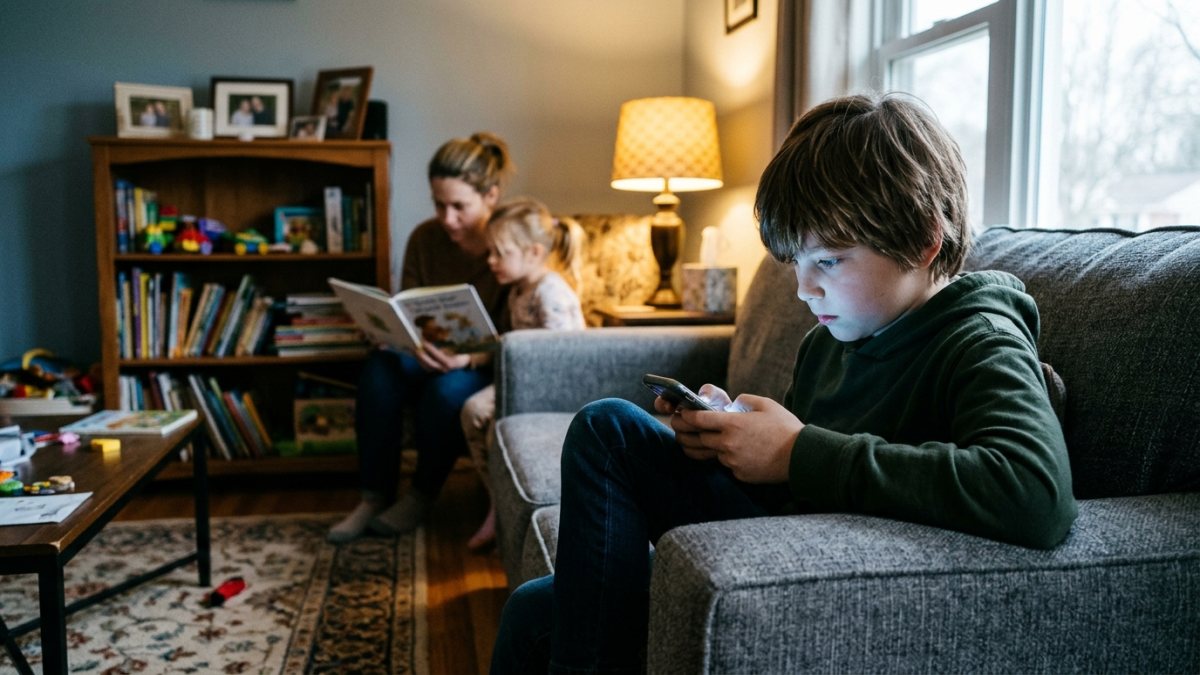
Parents around the globe experience the same frustrating pattern: calling a child's name multiple times with no response, waiting ten minutes for them to come to the dinner table, and seeing an explosive surge of anger whenever they are told to power off the device. Today, <strong>child phone addiction</strong> is far from a simple hobby or disciplinary flaw. Algorithmic feeds, infinite scrolling loops, and gamified reward systems directly trigger the developing brain's dopamine pathways. How does <em>child internet addiction</em> begin, what are the primary <em>tablet addiction symptoms</em>, and why do kids get so upset when phones are removed? In this comprehensive guide, we examine the psychological effects of excessive screen time, links to attention deficits, social isolation, and evidence-based parenting strategies.
Why Do Children Get So Angry When Phones Are Confiscated?
Understanding the biochemical mechanism behind screen meltdowns is the first step toward calm guidance.
Many parents interpret sudden meltdowns when confiscating a phone as disobedience or disrespect. In reality, neuroscience reveals a very different dynamic. While watching short videos or playing online games, the child's brain experiences hundreds of micro-dopamine surges per minute. When the screen goes black abruptly, brain dopamine plummets instantly. Because the prefrontal cortex (responsible for executive function and emotional regulation) is still developing, the child experiences this crash as panic, distress, and defensive fury.
Phase 1: High-Frequency Dopamine Flood
Platforms like TikTok, Shorts, and Roblox deliver novel stimuli and rewards every few seconds, hyper-activating reward pathways.
Phase 2: Sudden Interruption & Neuro-Crash
When a parent demands immediate disconnection, the artificial dopamine surge collapses, triggering the amygdala into fight-or-flight.
Phase 3: Emotional Regulation Overload
Without the mature cognitive tools to self-soothe, the child defaults to shouting, crying, or throwing objects in distress.
Key Symptoms of Child Phone & Tablet Addiction: 6 Critical Indicators
Evaluate your child's relationship with screens against these clinical red flags.
1. Time Distortion and Deceptive Behavior
Pleading for "just five more minutes" that stretches into hours, followed by secret usage under blankets or hiding screen time.
2. Inability to Tolerate Boredom Offline
Complete helplessness when devices are absent, claiming life is "boring" unless accompanied by digital stimulation.
3. Attention Fragmentation & Task Avoidance
A brain accustomed to rapid multi-sensory stimulation struggles to sustain focus on slower, quiet tasks like reading or homework.
4. Social Withdrawal and Peer Isolation
Turning down invitations to play outside, avoiding family conversations, and choosing solitary screen immersion over friendships.
5. Compulsive Gaming Preoccupation
Conversations revolve entirely around in-game currency, rankings, and virtual skins, exhibiting indifference toward real-world milestones.
6. Withdrawal Anxiety and Restlessness
Nail-biting, elevated heart rates, irritability, and pacing whenever Wi-Fi is lost, batteries drain, or devices are kept out of reach.
Psychological Impacts of Screen Time by Age Group
How screen dependency presents at each phase of physical and cognitive development.
| Age Bracket | Dominant Psychological Indicator | Core Developmental Risk | Recommended Screen Limit |
|---|---|---|---|
| 0 - 6 Years (Early Childhood) | Meltdowns during meals without screens, zero eye contact | Speech delays, sensory integration issues, dysregulation | Zero screens (Video calls with family excepted) |
| 7 - 12 Years (Primary & Middle School) | Homework distraction, gaming fixation, secret use | Impaired academic focus, dopamine addiction, self-doubt | 45 - 60 min/day (Strictly after responsibilities) |
| 13 - 17 Years (Adolescence) | Social isolation, FOMO, mood instability | Cyberbullying exposure, negative body image, insomnia | 1.5 - 2 hrs/day (Power off 60 min before bedtime) |
5 Calming Steps to Restore Healthy Digital Balance
De-escalate power struggles and help your child rebuild self-regulation.
Provide Gentle Transitional Countdowns
Never snatch a device mid-game. Offer clear predictability: "Dinner starts in 10 minutes; finish this round and wrap up."
Acknowledge the Emotion Before Holding the Boundary
Validate their feelings: "I know it feels frustrating to stop when you are having fun. But our agreement is screen time ends now."
Supply Organic Dopamine Alternatives
Replacing screen time with an empty room invites distress. Offer physical play, board games, baking, or bike rides to sustain natural mood.
Automate Rules With SmartFamilyEye
Avoid daily police interrogations. SmartFamilyEye enforces agreed-upon schedules automatically, making the rule neutral rather than personal.
Monitor Physical Symptoms Concurrently
Psychological addiction frequently walks hand-in-hand with text neck, poor sleep, and eye strain. Protect whole-child health proactively.
Deepen Your Parenting Toolkit with These Resources
What Are the Physical Harms of Screen Time on Children?
Discover the science of text neck, blue light eye fatigue, sleep deficits, and developmental posture risks.
How to Control Child Screen Time: 7 Proven Methods
Practical frameworks for family contracts, gamified learning incentives, and automated SmartFamilyEye boundaries.
Frequently Asked Questions
How do I know if my child is genuinely addicted to their phone?
True addiction is characterized by explosive hostility during disconnections, declining school grades, abandonment of hobbies, and lying about device usage.
Why does my child scream when I ask for their phone back?
It is a neurochemical reaction. The abrupt drop in digital dopamine triggers a panic response in the immature amygdala before logic can intervene.
Does excessive screen time cause Attention Deficit Hyperactivity Disorder (ADHD)?
Screens do not create genetic ADHD, but hyper-fast short video feeds condition the brain to reject slower cognitive tasks, mimicking severe attention deficits.
Will a total ban on devices cure phone addiction?
No. Total bans typically cause resentment, secretive behavior, and social alienation. The sustainable answer is structured digital habits and collaborative boundaries.
How does SmartFamilyEye help prevent emotional screen tantrums?
SmartFamilyEye provides automated grace periods and soft locking when daily budgets expire, removing parental friction and establishing consistent routine.
Manage Screen Time Scientifically & Transparently
Build digital trust instead of secretive spying with SmartFamilyEye. Test all parental features free for 14 days.